Travelling through Australia in a van once meant accepting a total blackout from the outside world the moment you passed the local Telstra tower. Starlink has completely flipped that script. Whether you are working remotely from the Red Centre or streaming movies on a rainy night in the Kimberley, satellite internet gives you high-speed coverage almost anywhere you can park.
Setting up a rig on the road requires weighing the real-world advantages against the operational challenges.
The Benefits
- Genuinely Remote Connectivity: The primary advantage is coverage. You get fast download speeds and low latency in places where mobile phones report zero signal.
- Remote Work Capability: Video calls, large file uploads, and continuous cloud access run smoothly. You no longer need to plan your route around major towns just to hit a deadline.
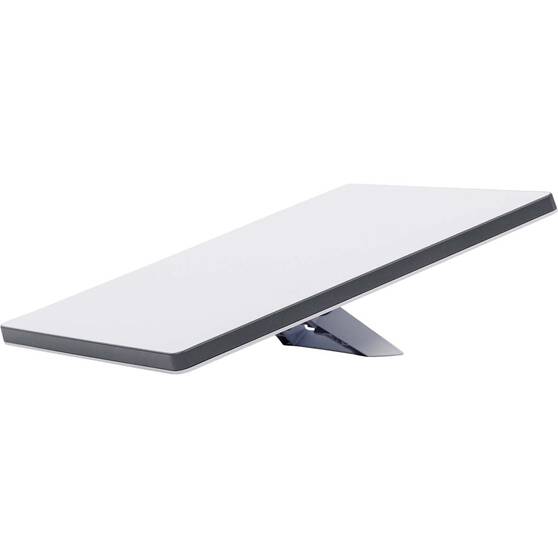
- Compact Hardware Options: The release of the Starlink Mini has made van life integration vastly easier. The Mini combines the dish and Wi-Fi router into a single unit about the size of a laptop, taking up minimal storage space inside a tight build.
- Flexible Monthly Plans: The Roam plans allow you to pause service when you are back home or off the road for a few months, keeping you from paying for data you are not using.
- Setup Time and Storage: Installing the 12V flat-mount inside in the front of your van allows you to keep the dish protected from the elements, so you don’t have to pack, unpack, and align the dish every time you set up camp. If you have a fibreglass Luton peak above your driving cabin, you should be able to place the dish in the front of this area, rather than on the front windscreen of your van, or outside.
The Downsides
- Power Draw on Off-Grid Systems: Starlink requires power. The Standard dish draws around 75 to 100 watts, while the Mini draws a more manageable 25 to 40 watts. Running a dish on a 12V system for hours will quickly drain a small lithium battery setup if you do not have adequate solar or DC-to-DC charging to back it up.
- Obstructions Matter: Satellite dishes need an open view of the sky. If you love camping under heavy tree canopy, dense rainforest, or at the base of steep gorges, your connection will suffer dropouts or fail entirely.
- Ongoing Costs: Beyond the initial hardware purchase price, monthly subscriptions for roaming plans are significantly higher than standard mobile phone contracts.
The Verdict
If your travel style involves staying in populated coastal zones, a decent mobile phone plan or a signal booster is far more economical. However, if your journey relies on earning an income from deep in the bush or keeping in touch while exploring remote tracks, Starlink is currently unmatched in Australia.
Interested in signing up?
For one free month, use the button below to sign up for Starlink today.
Starlink
The Starlink Mini is a compact, portable satellite internet kit designed by SpaceX for travel, off-grid use, and remote areas, weighing just 1.1 kg and featuring an integrated Wi-Fi 5 router. It delivers download speeds over 100 Mbps with low power consumption (25-40W average) and supports in-motion connectivity up to 160 km/h when paired with a Roam service plan.